
Introduction
The United Arab Emirates is one of the world’s fastest-growing business hubs and a preferred destination for entrepreneurs, international investors, corporates, High-Net-Worth (HNWI) and Ultra-High-Net-Worth (UHNWI) Individuals.
With its strategic location between Europe, Asia, and Africa, the UAE offers an ideal environment for global trade and investment.
The country provides a business-friendly regulatory framework, modern infrastructure, and tax advantages that attract companies from various industries including consulting, technology, finance, logistics, and trading.
Foreign investors can establish businesses in the UAE through several structures, including Mainland companies, Free Zone companies, in world-class onshore and offshore environments, each designed to support different business needs.
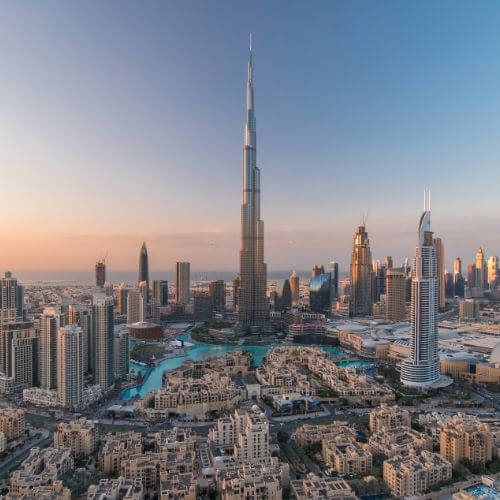
Sectors
Energy
The oil and gas sector remains a cornerstone of the UAE economy, particularly in Abu Dhabi. Hydrocarbon revenues have historically supported economic growth and continue to play a major role in government finances. In addition to traditional energy, the UAE is also investing heavily in renewable energy and hydrogen projects, positioning itself as a leader in the global energy transition.
Real Estate
Real estate remains major sector for foreign investment in the UAE. Key drivers include: large infrastructure projects, residential and commercial developments, smart cities and sustainable urban projects. Major developments in Dubai and Abu Dhabi continue to attract international investors and property developers.
Health
Healthcare has become a rapidly expanding sector due to population growth, medical tourism, and government investment in healthcare infrastructure. Key areas of investment include: hospitals and specialized clinics, pharmaceutical manufacturing, medical technology and diagnostics, biotechnology and research. The UAE is also promoting healthcare innovation through specialized medical free zones and research centers.
Financial Services
The UAE is a leading financial center in the Middle East, with strong banking infrastructure and globally recognized financial hubs. Financial services have been among the largest recipients of foreign direct investment in the UAE in recent years.
Logistics
The UAE’s strategic location between Asia, Europe, and Africa makes it one of the world’s most important trade and logistics hubs. The country has developed advanced infrastructure including: world-class airports and airlines, major regional seaports, integrated logistics zones and free trade zones. This sector benefits from strong growth in global trade and re-export activities, making the UAE a key gateway for companies expanding into the Middle East and Africa.
Technology
Technology has become one of the fastest-growing sectors in the UAE, supported by government strategies aimed at building a knowledge-based economy. The UAE government has actively promoted innovation and research initiatives to attract global technology companies and startups.
Tourism
Tourism is a major pillar of the UAE economy, particularly in Dubai and Abu Dhabi. The country attracts millions of international visitors annually due to: luxury hotels and resorts, world-class shopping and entertainment, international events and exhibitions, cultural and heritage attractions. Tourism contributes significantly to the GDP and supports a wide ecosystem including hospitality, retail, aviation, and entertainment industries.
Manufacturing
The UAE government is actively promoting: advanced manufacturing, aerospace and defense industries, metals and aluminum production, food processing and industrial technology. Industrial zones and free zones across the country support manufacturing investment and export-oriented production.
Stakeholders
Ministry of Economy and Tourism
UAE federal entity responsible for fostering a diversified, knowledge-based economy and enhancing the nation’s position as a premier global business and tourism hub.
Department of Economic Development
It is a government entity in each UAE emirate responsible for driving economic agendas, regulating business environments, issuing trade licenses, and promoting investment
Ministry of Investment
It is a federal entity designed to position the UAE as a premier global investment hub. It aims to foster economic diversification by attracting foreign direct investment (FDI), developing investment policies, and enhancing the business environment to support long-term economic growth.
Ministry of Energy and Infrastructure
It is a government ministry that is responsible for
regulating primary, secondary, and higher education in the country.construction. It aims to enhance global competitiveness and sustainability by implementing advanced, innovative, and smart infrastructure solutions to improve quality of life.
Ministry of Foreign Affairs
The Ministry defines, manages, and executes the nation’s foreign policy, acting as the key link between the UAE leadership and the world. It fosters diplomatic relations, protects citizen interests abroad, and promotes the UAE’s international image, values, and economic development.
Ministry of Human Resources and Emiratisation
It is a federal authority overseeing labor relations, employment law, and workforce compliance. It aims to empower UAE nationals in the private sector while attracting global talent to build a productive, stable labor market.

Jabel Ali Free Zone (JAFZA)
It is a premier, government-regulated industrial and logistics hub in Dubai. It offers 100% foreign ownership, and tax exemptions, supporting trade, manufacturing, and and services. Jafza facilitates global business expansion, offering diverse licenses and enabling property ownership.

Khalifa Economic Zones Abu Dhabi (KEZAD)
It is an integrated trade, logistics, and industrial zone. Kezad is the UAE’s largest operator of fully integrated economic zones, business services,staff accommodation and industrial real estate solutions.
Dubai Multi Commodities Centre (DMCC)
It is the world’s top-ranked free zone and a premier global hub for trading commodities. It hosts over 25,000 companies, offering 100% foreign ownership, zero personal/corporate taxes, and specialized infrastructure for gold, diamonds, tea, and crypto.
Dubai International Financial Centre. (DIFC)
It is a leading global financial hub and special economic zone in Dubai, established to foster economic growth in the MEASA region.
International Free Zone Authority (IFZA)
It is a fast-growing free zone in Dubai, UAE, designed for cost-effective, flexible, and rapid business incorporation. It provides 100% foreign ownership, zero foreign currency restrictions, and comprehensive, tailored solutions for startups, SMEs, and international companies.

Abu Dhabi’s International Financial Centre (ADGM)
It is an international financial centre established to support the growth of financial services, fintech, and investment activities in the region.
Abu Dhabi Investment Authority (ADIA)
It is one of the world’s largest sovereign wealth funds, established to manage and invest the surplus oil revenues of the Abu Dhabi government. The fund invests globally across asset classes such as equities, fixed income, infrastructure, and real estate to generate long-term financial returns and support economic stability.

Mubadala Investment Company
It is a state-owned investment company established to support economic diversification and long-term growth. The company invests globally across sectors such as technology, energy, healthcare, aerospace, and infrastructure to strengthen the UAE’s position in strategic industries.
UAE Vision 2031
We the UAE 2031 is the country’s long-term national strategy aimed at strengthening economic growth and global competitiveness.
The strategy aims to position the UAE among the world’s leading economic and innovation hubs by 2031.
UAE Centennial 2071
It is a long-term vision designed to prepare the UAE for the next 50 years.This strategy aims to ensure the UAE remains a global leader in innovation and economic competitiveness.
UAE Net Zero 2050 Strategy
The initiative is the UAE’s national commitment to achieving net-zero carbon emissions by The policy supports the country’s transition toward a sustainable and low-carbon economy.
Dubai Economic Agenda D33
It aims to double the size of Dubai’s economy over the next decade. The strategy includes 100 transformational projects designed to accelerate economic growth.
UAE Industrial Strategy – Operation 300bn
The strategy aims to increase the industrial sector’s GDP contribution to AED 300 billion by 2031.Key targets include: increasing industrial contribution to GDP, supporting advanced manufacturing, developing high-tech industries
National Investment Strategy 2031
The Strategy 2031 aims to significantly increase foreign direct investment (FDI) and position the United Arab Emirates among the world’s leading investment destinations.
Giga & Mega Projects

Neom
Neom offers many unique investment opportunities of different sizes across multiple industries. Its location links three continents and it is backed by PIF and local & international investors.

Red Sea Global
Red Sea Global is a two world-leading responsible and regenerative tourism destination that has massive investment and partnership potential for hospitality and tourism. The pioneering developer is owned by PIF

Roshn
ROSHN is a national community developer and Public Investment Fund project is focused on contributing to the demands for increased homeownership across Saudi Arabia

Diriyah
Diriyah is located just 20 minutes northwest of Riyadh’s city center and will be transformed into one of the world’s foremost lifestyle destinations for culture and heritage, hospitality, retail, and education, and will become one of the world’s great gathering places.

Qiddiya
Qiddiya, a public Investment fund project, is set to become the capital of Entertainment, Sports, and Arts. It will be a disruptive destination that offers innovative, immersive, and unparalleled experiences, all integrated on a scale never been seen before.

Amaala
Amaala is a 4,155 km2 year-round destination that will offer 3,000 hotel rooms across some 25 hotels, as well as private residential villas, apartments, and estate homes, alongside high-end retail establishments, fine dining, and wellness and recreational facilities.

Sindalah
Sindalah is a luxury island in the Red Sea. It is a special getaway filled with unforgettable sights, sounds, and moments. A location powered by the world's latest tech and complemented by exhilarating natural beauty.

Oxagon
Oxagon is building an advanced and clean industrial ecosystem, accelerating approaches of Industry 4.0 and the principles of circularity. Oxagon is a greenfield opportunity that puts people, innovation, and sustainability at its core.

Trojena
Trojena will be an iconic, world-class destination, blending natural and developed landscapes, and offering unique human-centric experiences for residents and visitors alike. The destination will house six distinctive clusters that blend real with virtual architectural and engineering innovations.

The Line
The Line is a cognitive city stretching across 170 kilometers, from the epic mountains of NEOM across inspirational desert valleys to the beautiful Red Sea. A mirrored architectural masterpiece towering 500 meters above sea level, but a land-saving 200 meters wide.

Sedra
Sedra is an integrated community inspired by the designs of Salmani architecture, encouraging residents to connect and enjoy nature as part of their daily life.

Alfulwa
Alfulwa covers an area of more than 10.8 million square meters and is located 7km from the center of Al Hofuf city, the major urban center in the Al-Ahsa Oasis in the Eastern Province. It will feature more than 18,000 residential units with a population capacity of over 100,000 people.
Benefits of a Business Set up in UAE
- 100% foreign ownership available in many sectors and most free zones.
- Strategic global location connecting Europe, Asia, and Africa
- Tax advantages, including 0% personal income tax and competitive corporate tax rates.
- World-class infrastructure, including ports, airports, and logistics networks.
- Business-friendly regulatory environment with streamlined licensing procedures.
- Ease of doing business, with many services available through digital government platforms.
- Access to international markets through extensive trade networks and agreements.
- Availability of a diverse and skilled international workforce.
Steps to establish business in UAE
Setting up a business in UAE involves three key stages:
Pre-Licensing
Assessing possibilities and evaluating options for business licensing in UAE.
Licensing
Applying for the relevant licenses, permits and approvals
Post-Licensing
Completing all steps to commence operations, including visas, office setup, insurance, and banking
We look forward to understanding your objectives and business plans, enabling us to determine the best course of action for your business in UAE.
Licensing Platforms in UAE
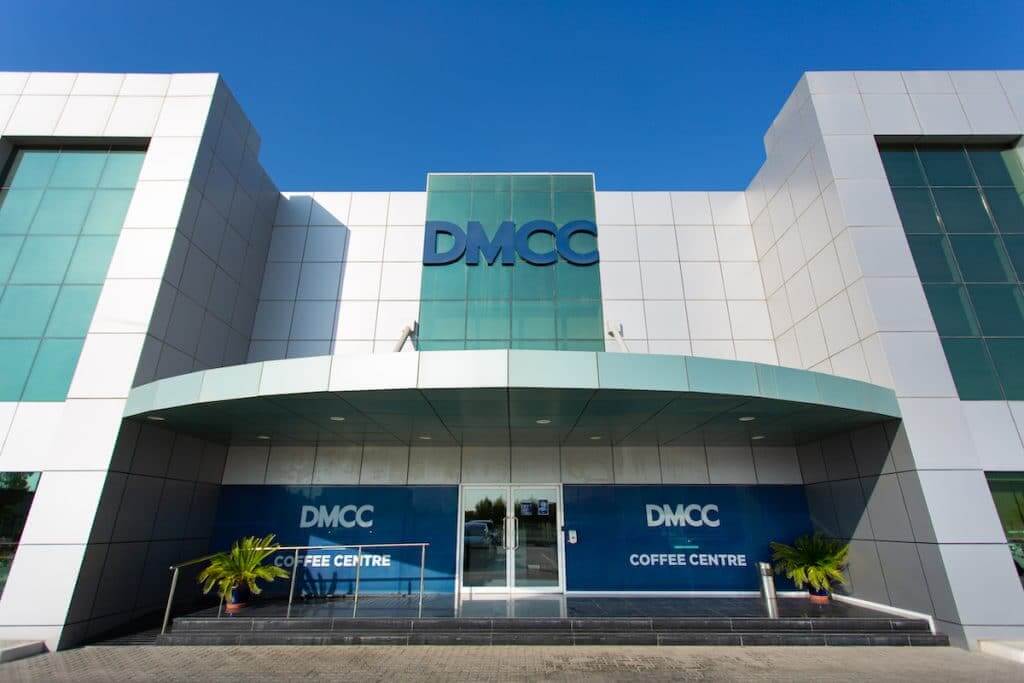
Dubai Multi Commodities Centre (DMCC)
The Dubai Multi Commodities Centre was established in 2002 to enhance the emirate’s position as a global hub for commodity trading. DMCC provides a business ecosystem designed primarily for companies operating in sectors such as commodities, trading, logistics, financial services, and technology. The free zone offers a range of licensing options including trading, service, and industrial licenses for international companies. DMCC is widely recognized for its integrated infrastructure, modern office facilities, and a strong regulatory framework supporting global trade. With thousands of registered companies from over 180 countries, DMCC has become one of the largest and fastest-growing free zones in the UAE.
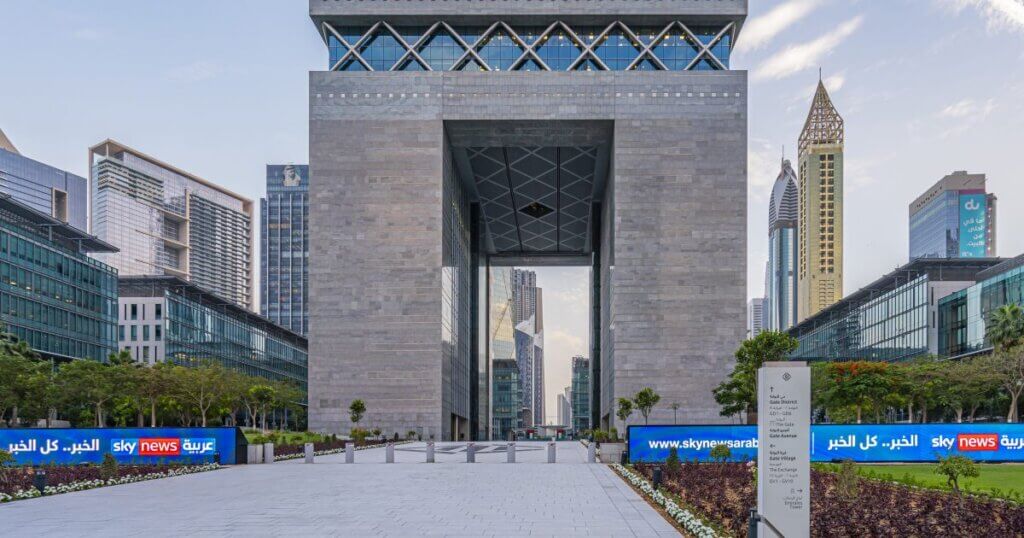
Dubai International Financial Centre (DIFC)
The Dubai International Financial Centre was established in 2004 as a leading financial hub connecting markets across the Middle East, Africa, and South Asia. DIFC operates under an independent regulatory framework with its own legal system based on English common law, making it attractive for international financial institutions. The centre focuses primarily on sectors such as banking, asset management, insurance, fintech, and capital markets. It provides a well-developed ecosystem that includes financial regulators, professional services firms, and global financial institutions. DIFC has grown into one of the region’s most prominent financial centers, hosting thousands of financial services companies and investment firms.
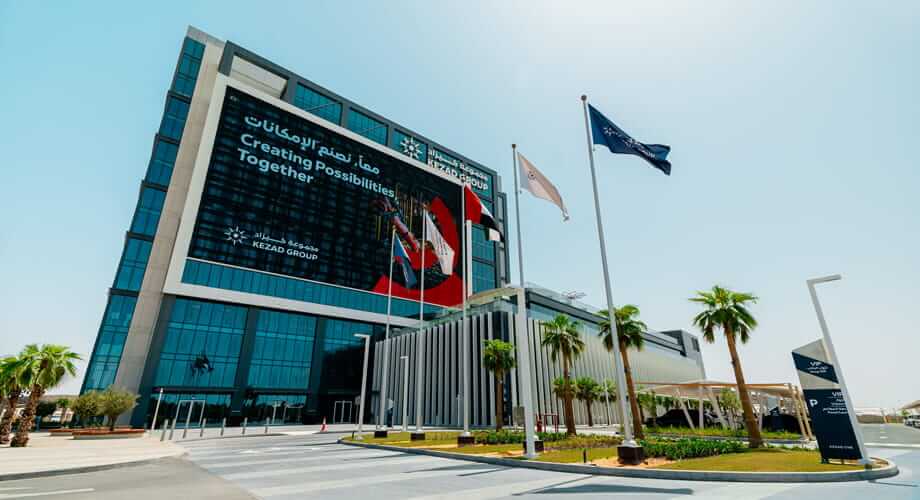
Khalifa Economic Zones Abu Dhabi (KEZAD)
The Khalifa Economic Zones Abu Dhabi was established in 2012 to support industrial and logistics development in the Emirate of Abu Dhabi. The economic zone provides large-scale infrastructure and facilities designed to attract manufacturing, logistics, and industrial companies. KEZAD is strategically located near Khalifa Port, allowing businesses direct access to global shipping routes. The zone supports sectors such as advanced manufacturing, food processing, automotive, and industrial technology. KEZAD plays a critical role in Abu Dhabi’s strategy to diversify its economy and expand industrial production.
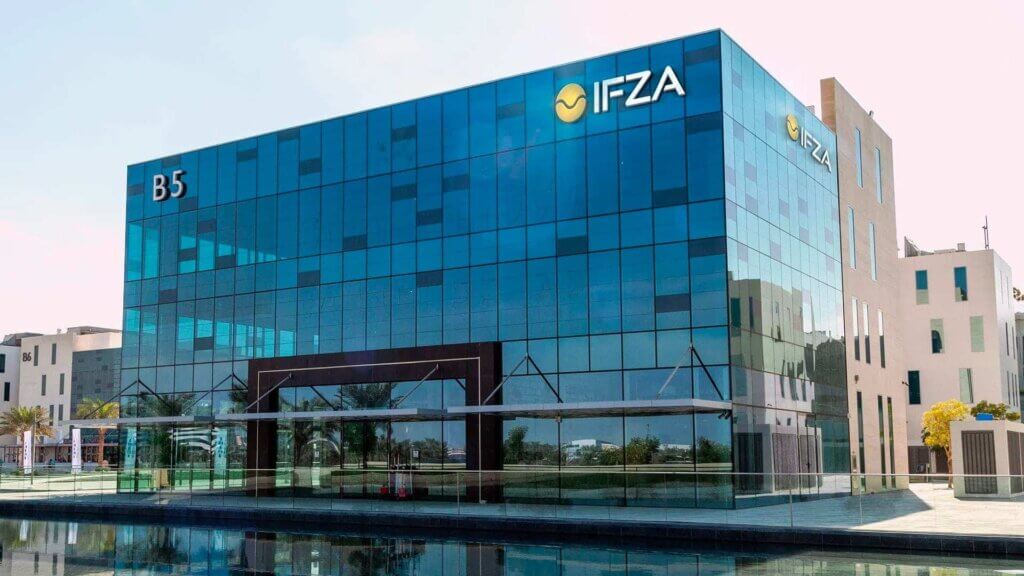
International Free Zone Authority (IFZA)
The International Free Zone Authority was established in 2018 to support small and medium-sized enterprises as well as international investors entering the UAE market. IFZA provides flexible licensing solutions for businesses operating in sectors such as consulting, trading, technology, and professional services. The authority offers streamlined company formation procedures, competitive setup costs, and a wide range of business activities. It focuses particularly on supporting entrepreneurs, startups, and global SMEs seeking regional market access. IFZA has grown rapidly as a preferred free zone for investors looking for efficient and flexible business setup options in Dubai.
Qatar
Book an Online Consultation
Get expert guidance from our team with a simple and convenient online appointment.