
Introduction
Kazakhstan is one of the most attractive investment destinations in Central Asia, offering a stable business environment and growing economic opportunities for international companies. Strategically located, the country serves as a key logistics and trade hub connecting major global markets.
Kazakhstan has implemented investor-friendly policies that allow 100% foreign ownership in most sectors, making it easier for international businesses to establish operations. The government actively promotes foreign investment through simplified business registration procedures and modern digital government services. Investors also benefit from competitive corporate tax policies and a range of incentives available in special economic zones.
The country’s abundant natural resources, expanding infrastructure, and diversified economic strategy create strong opportunities across multiple industries. Kazakhstan’s membership in regional trade organizations also provides businesses with access to a broader Eurasian market.
In addition, the Astana International Financial Centre (AIFC) offers a modern legal and financial ecosystem based on international standards. The government continues to prioritize economic modernization, innovation, and foreign partnership. These factors make Kazakhstan an increasingly attractive destination for companies looking to expand into Central Asia.

Sectors
Agriculture
Kazakhstan has vast agricultural land and is a major exporter of wheat and grain. The government promotes agri-business modernization and food processing to increase productivity and exports. Key opportunities cover: agricultural technology, food processing and packaging, livestock and dairy production, and export-oriented agribusiness.
Energy
Kazakhstan is one of the world’s largest oil producers and holds significant reserves in the Caspian region. Major international energy companies operate in projects such as the Tengiz, Kashagan, and Karachaganak oil fields. The sector remains the backbone of the country’s economy and continues to attract large-scale foreign investment in exploration, production, and infrastructure.
Mining and Natural Resources
Kazakhstan is one of the world’s leading producers of uranium and has large deposits of copper, gold, coal, zinc, and rare earth metals. The government actively encourages foreign investors to participate in exploration and mining development. Key investment areas: mineral exploration, mining technologues and equipment, processing and refining, rare earth minerals for clean energy industries.
Logistics
Kazakhstan is one of the key transit countries in The Middle Corridor, also called the Trans-Caspian International Transport Route (TITR). It is a major trade and transport route connecting China and East Asia with Europe through Central Asia. The country is investing heavily in railways, highways, and logistics hubs and ports. Investment opportunities span: freight and logistics services, infrastructure development, warehousing and distribution centers, and multimodal transport hubs.
Financial Services
The Astana International Financial Centre (AIFC) aims to position Kazakhstan as a regional financial hub. It offers tax incentives, an independent legal framework based on English law, and support for fintech innovation. Investment opportunities include: fintech startups, asset management, islamic finance, and capital markets.
Renewable Energy
Kazakhstan is rapidly developing renewable energy to diversify its energy mix and reduce carbon emissions. The country has vast wind and solar potential due to its large open landscapes and favorable climate conditions. Opportunities include: solar and wind power projects, energy storage systems, grid modernization, and green hydrogen initiatives.
Stakeholders
Ministry of Trade and Integration
It is the government authority responsible for developing and implementing policies on domestic and international trade, export promotion, market regulation, and Kazakhstan’s economic integration into regional and global markets.
Ministry of Foreign Affairs
It is responsible for managing Kazakhstan’s diplomatic relations, promoting international cooperation, and supporting foreign investment and economic partnerships with global partners.
Ministry of Industry and Construction
It is responsible for developing and implementing policies related to industrial development, manufacturing, construction, and infrastructure modernization to support Kazakhstan’s economic growth.
Ministry of Energy
It is responsible for developing and implementing policies related to the country’s oil, gas, electricity, and renewable energy sectors to ensure sustainable energy development and security.
Kazakh Invest
It is the national investment promotion agency responsible for attracting foreign direct investment and supporting international investors with project facilitation and business establishment in Kazakhstan.
Baiterek
It is a state-owned development holding that supports Kazakhstan’s economic growth by financing strategic projects, promoting entrepreneurship, and facilitating investment through its network of financial institutions.
Astana International Financial Centre (AIFC)
It is a financial hub that provides an independent legal framework based on English common law, tax incentives, and regulatory support to attract international financial institutions and investors to Kazakhstan.
Qazaqstan Investment Corporation
It is a state-backed investment institution that promotes private equity and venture capital development in Kazakhstan by co-investing with international partners in strategic sectors of the economy.

Samruk Kazyna
It is Kazakhstan’s sovereign wealth fund that manages major state-owned enterprises and strategic assets across key sectors such as energy, transport, telecommunications, and infrastructure to support national economic development.

Development Bank of Kazakhstan
It has a mandate to develop and empower Qatari
entrepreneurs and small and medium enterprises to innovate and compete
regionally and internationally while contributing to Qatar’s economic
diversification and the development of its private sector.

QazIndustry Kazakhstan Center of Industry and Export
It is a government organization that supports industrial development and export promotion by providing advisory services, incentives, and programs to enhance the competitiveness of Kazakhstani manufacturers

Industrial Development Fund
It is a state financial institution that provides financing and leasing solutions to support industrial modernization, manufacturing projects, and the development of Kazakhstan’s processing industries.

Kazakhstan 2050
The Kazakhstan 2050 Strategy is the country’s long-term development roadmap aimed at positioning Kazakhstan among the world’s top 30 developed economies through economic diversification, innovation, and sustainable growth.
Green Economy Transition Strategy
Kazakhstan’s Green Economy Transition Strategy aims for carbon neutrality by 2060, focusing on diversifying from a coal-dependent economy through renewable energy, sustainable agriculture, and industrial modernization.
.Licensing Platforms in Kazakhstan
Qatar National Vision 2030
(QNV 2030) is a strategic roadmap aimed at transforming Qatar into an advanced, sustainable, and diversified economy, capable of providing a high standard of living for its people and making it highly relevant for businesses. It focuses on four pillars: economic, social, human, and environmental development.
Third Qatar National Development Strategy 2024-2030
(NDS3) aims to further the objectives of Qatar National Vision 2030 by promoting economic diversification, innovation, and sustainable development. The key areas include developing a knowledge-based economy, enhancing private sector participation, and investing in human capital.
Qatar FinTech Strategy 2023
It was launched to establish Qatar as a regional hub for financial technology. The strategy focuses on digital payments, regulatory technology (RegTech), wealth and asset management technology, and InsurTech, supported by a conducive regulatory environment and strong government incentives.
Qatar Freight Master Plan
It is a strategic initiative to optimize logistics and transportation infrastructure, improving connectivity between ports, airports, and industrial zones. This plan aims to enhance supply chain efficiency, decrease costs, and promote sustainable logistics solutions making Qatar an attractive alternative to other regional markets.
Qatar Artificial Intelligence Strategy
It is overseen by the MCIT’s Artificial Intelligence Committee and aims to integrate AI across various sectors, including healthcare, education, transportation, and finance. It focuses on developing a skilled AI workforce, investing in research and development, and creating a supportive regulatory environment.
National Food Security Strategy 2018-2023
It is aimed at achieving self-sufficiency in food production and ensuring food security especially in the context of the geopolitical issues in 2017. The strategy includes measures to enhance local agricultural production, develop advanced farming technologies, and ensure sustainable water and energy use.
Qatar Tourism Strategy 2030
Focuses on transforming Qatar into a world-class tourism destination. The strategy includes expanding tourist attractions, enhancing the hospitality sector, and promoting Qatar’s cultural and natural heritage to boost tourism’s contribution to the economy.
Qatar National Environment & Climate Change Strategy
It was launched to address environmental challenges and promote sustainable development. This strategy focuses on reducing greenhouse gas emissions, enhancing air quality, protecting biodiversity, and promoting the sustainable use of natural resources.
Qatar Sports Strategy 2022-2030
It is aimed at developing Qatar as a global sports hub with a focus on hosting major international sports events, investing in sports infrastructure, and promoting sports participation at all levels. It emphasizes the role of sports in promoting and supporting community engagement, health, and wellness.
Qatar Digital Government Strategy 2026
It seeks to transform public services through digital innovation, making them more efficient, accessible, and user friendly. It focuses on enhancing cybersecurity, expanding digital infrastructure, and promoting the adoption of emerging technologies such as blockchain, artificial intelligence, and big data analytics.
Benefits of a Business Set up in Kazakhstan
- Strategic geographic location. Kazakhstan connects Europe and Asia, making it a major logistics and transit hub for international trade.
- Rich natural resources . The country has large reserves of oil, gas, uranium, and minerals, supporting energy, mining, and industrial businesses.
- Special Economic Zones (SEZs). Kazakhstan offers tax exemptions, customs benefits, and infrastructure support in several SEZs to attract foreign investment.
- Competitive tax rates. Corporate tax rates and operating costs are relatively lower than many European countries, helping businesses reduce expenses.
- Growing infrastructure and logistics network. Modern railways, highways, and ports support major trade routes like the Trans-Caspian “Middle Corridor.”
- Pro-investment government policies. The government actively supports foreign investors through incentives, simplified procedures, and investment protection laws.
- Young and educated workforce. Kazakhstan has a skilled and multilingual labor force, especially in engineering, IT, and technical fields.
- Stable economic growth in Central Asia. Kazakhstan is the largest and most stable economy in Central Asia, providing a relatively secure environment for investors.

Steps to establish business in Kazakhstan
Setting up a business in Kazakhstan involves three key stages:
Pre-Licensing
Assessing possibilities and evaluating options for business licensing in Kazakhstan.
Licensing
Applying for the relevant licenses, permits and approvals
Post-Licensing
Completing all steps to commence operations, including visas, office setup, insurance, and banking
We look forward to understanding your objectives and business plans, enabling us to determine the best course of action for your business in Kazakhstan.
Licensing Platforms in Kazakhstan
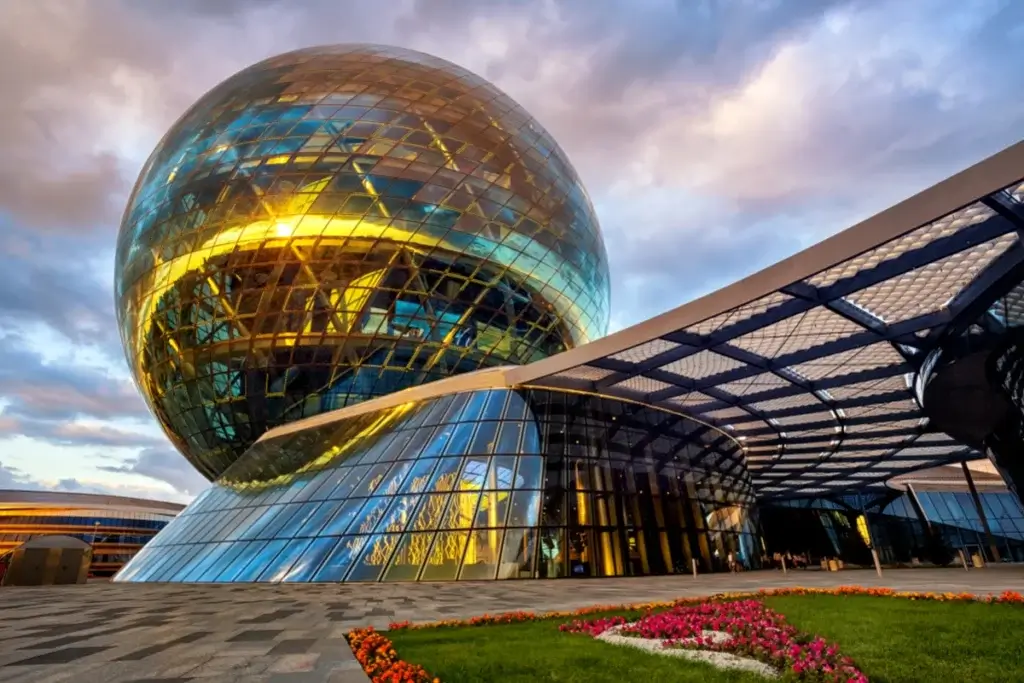
Astana International Financial Centre (AIFC)
The AIFC is the No 1 Financial Centre in Eastern Europe and Central Asian Region, and a dynamic hub for innovation and growth. It operates under an independent legal system based on English common law and offers tax incentives and regulatory support for global businesses. AIFC is particularly attractive for the companies operating in financial services, investment management, fintech, captial markets, islamic finance, wealth management and family offices, professional and financial advisory services.
Astana Hub
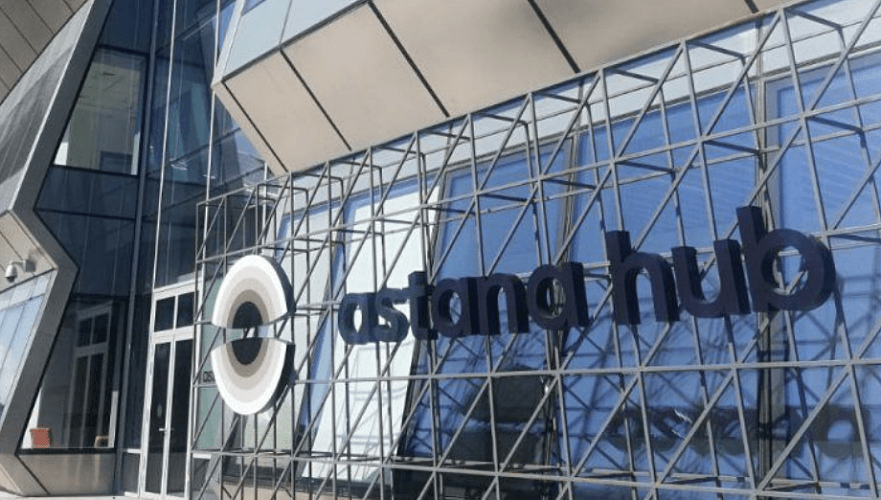
Astana Hub is Kazakhstan’s leading technology park established to support the development of the digital economy and innovation ecosystem. It provides a platform for startups, technology companies, and investors to collaborate and develop innovative digital solutions. The hub offers tax incentives, acceleration programs, funding opportunities, and access to international markets for IT businesses. Astana Hub also hosts incubators, research initiatives, and educational programs to nurture local and international tech talent. Through these initiatives, it aims to position Kazakhstan as a regional center for technology and startup development in Central Asia.
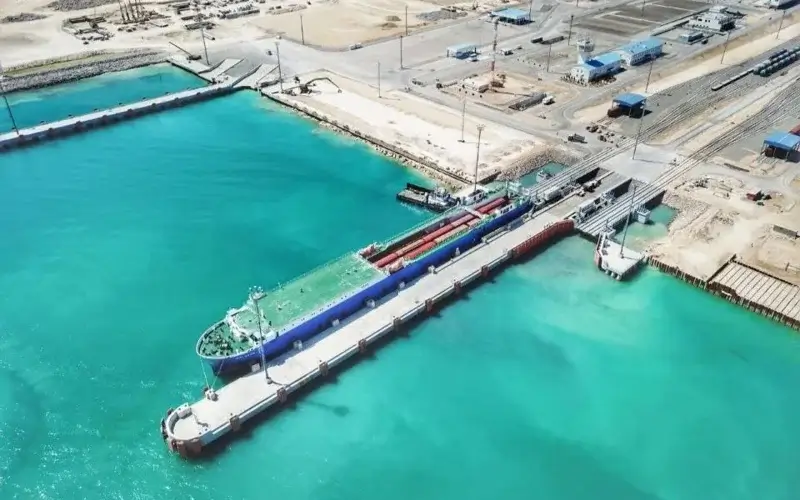
Special Economic Zone Akrau Seaport
Special Economic Zone Aktau Seaport is a strategic special economic zone located on the Caspian Sea that supports Kazakhstan’s role as a regional logistics and trade hub. The zone focuses on maritime transport, logistics services, and industrial production linked to international trade routes. It provides investors with incentives such as tax exemptions, customs benefits, and simplified administrative procedures. Its location enables efficient cargo movement between Central Asia, the Caucasus, and European markets through the Caspian corridor. The SEZ plays an important role in strengthening Kazakhstan’s export capacity and developing maritime and logistics infrastructure.
Alatau Special Economic Zone Technopark
Alatau Special Economic Zone Innovation Technology Park is a high-technology special economic zone established to promote innovation, digital industries, and knowledge-based economic development in Kazakhstan. Located near Almaty, the zone provides modern infrastructure for technology companies, research institutions, and startups working in fields such as information technology, electronics, telecommunications, and advanced engineering. Investors operating within the SEZ benefit from significant incentives, including tax exemptions, customs privileges, and simplified administrative procedures. The technopark also encourages collaboration between universities, research centers, and private companies to accelerate technology transfer and commercialization of innovations. By attracting international technology firms and supporting local startups, Alatau SEZ aims to strengthen Kazakhstan’s position as a regional center for high-tech industries and digital transformation.
Qatar
Book an Online Consultation
Get expert guidance from our team with a simple and convenient online appointment.